

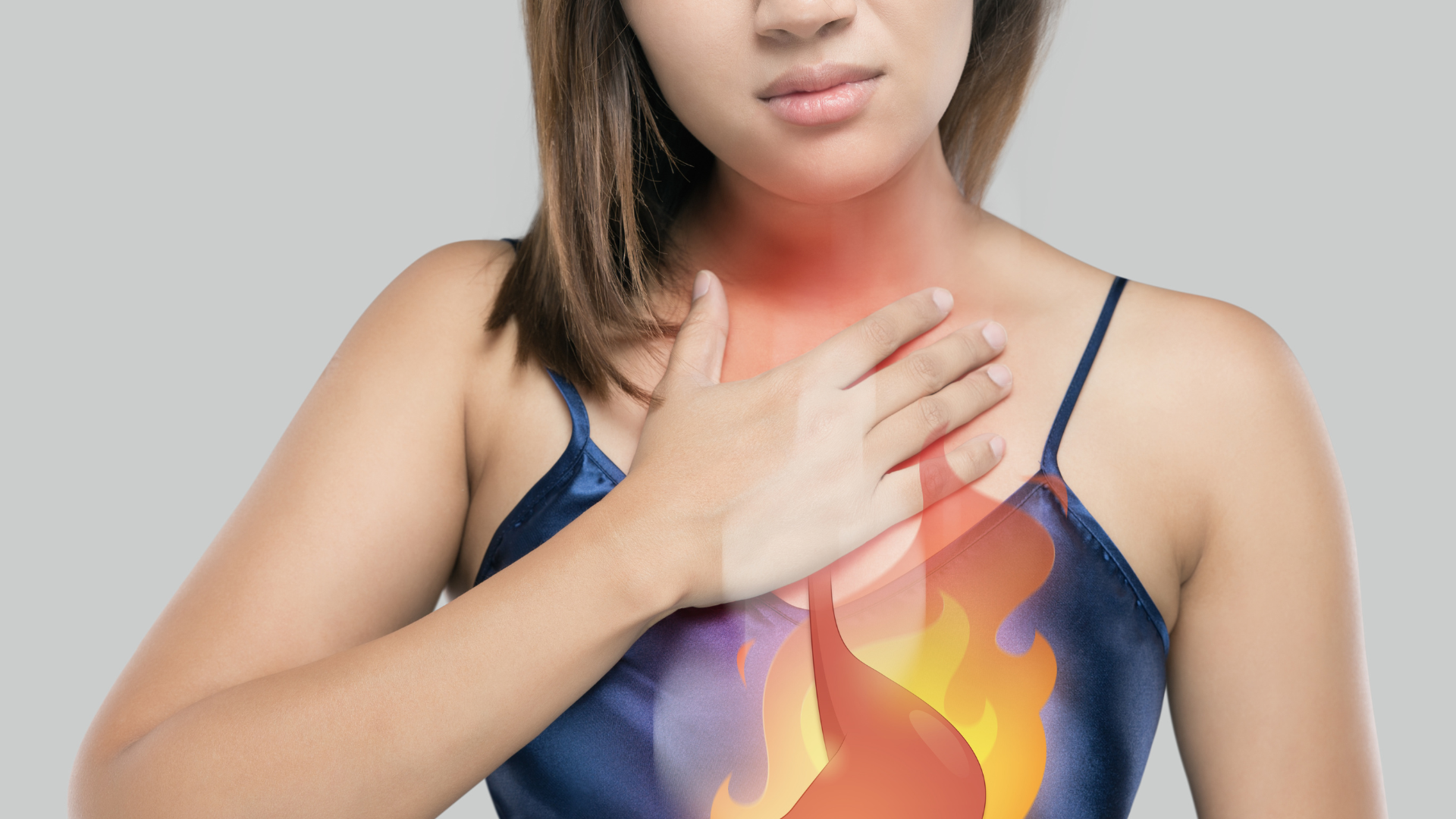



Acid reflux occurs when stomach acid travels up into the oesophagus, the tube connecting the mouth to the stomach. This happens when the lower oesophageal sphincter, a small ring of muscle at the bottom of the oesophagus, does not close properly or relaxes too often. The acid irritates the lining of the oesophagus, leading to a burning sensation in the chest known as heartburn. Occasional reflux is common and can happen after large meals or when lying down soon after eating, but frequent episodes may indicate a chronic condition known as gastro-oesophageal reflux disease (GORD).
People with acid reflux often describe a burning feeling rising from the upper abdomen or lower chest toward the neck. This discomfort can be accompanied by a sour taste in the mouth or a feeling of fluid regurgitation. Some individuals experience difficulty swallowing, persistent coughing, hoarseness, or a sensation of a lump in the throat, particularly after meals or when lying flat. The severity and frequency of these symptoms can vary depending on lifestyle, diet, and body position.
Several factors contribute to acid reflux. Being overweight or pregnant can increase pressure on the abdomen, pushing stomach contents upward. Eating large or fatty meals, consuming certain foods like chocolate, citrus, onions, or spicy dishes, and drinking alcohol or caffeine can all trigger symptoms. Smoking weakens the lower oesophageal sphincter, making reflux more likely. Stress and lack of sleep may also play a role in aggravating discomfort or slowing digestion.