




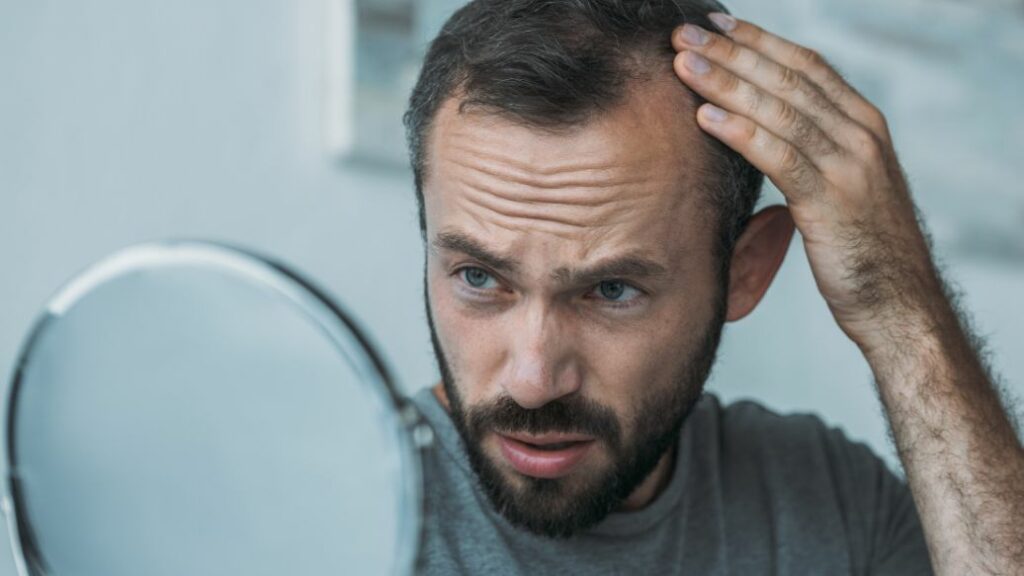
Hair loss, also known as alopecia, occurs when hair falls out more quickly than it grows back. It can affect the scalp or other parts of the body and may develop gradually or suddenly. While it is normal to lose a small amount of hair daily, excessive shedding or thinning can cause concern. Hair loss can be temporary or permanent, depending on its cause.
The most common type is androgenetic alopecia, also known as male or female pattern baldness. This condition is hereditary and typically leads to gradual thinning of the hair on the crown or receding hairlines. Other forms include alopecia areata, where the immune system attacks hair follicles, and telogen effluvium, a temporary shedding triggered by stress, illness, or hormonal changes.
Hair loss can also result from lifestyle factors such as poor nutrition, extreme dieting, or damage from harsh hair treatments. Medical conditions like thyroid disorders, anaemia, or infections can also play a role. Identifying the underlying cause is essential to managing the condition effectively.