




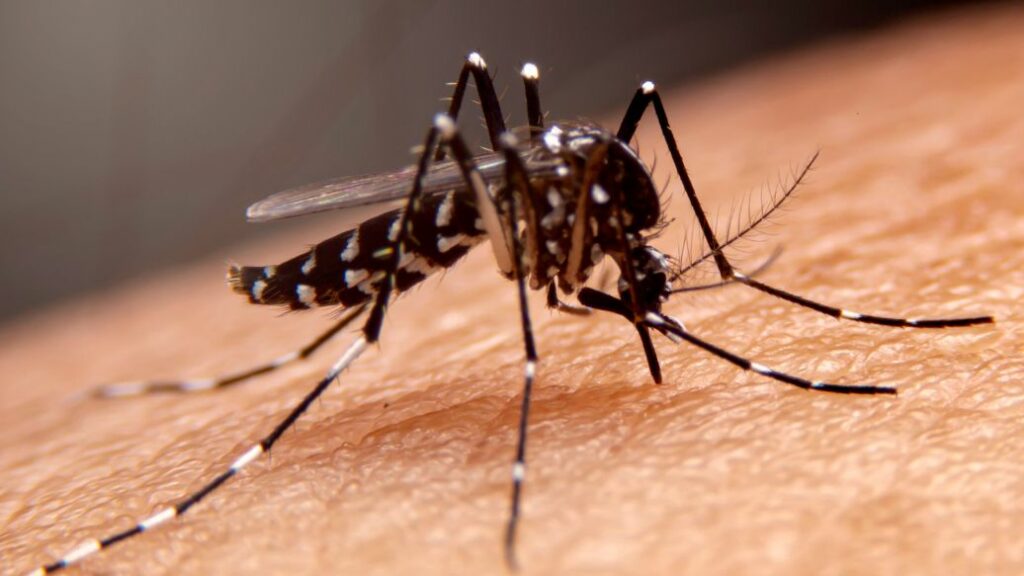
Malaria prevention focuses on avoiding mosquito bites and reducing the risk of infection from the Plasmodium parasite, which is transmitted through the bite of an infected Anopheles mosquito. The disease is common in tropical and subtropical regions, and prevention is especially important for travellers and people living in high-risk areas. Understanding local malaria risks before travel helps in taking the right precautions.
The first line of defence is mosquito protection. Using insect repellent containing DEET, picaridin, or lemon eucalyptus oil can significantly reduce bites. Wearing long sleeves, trousers, and light-coloured clothing in the evenings, when mosquitoes are most active, also provides protection. Sleeping under insecticide-treated bed nets is one of the most effective ways to prevent bites, especially in regions where malaria transmission is high.
Environmental control helps reduce mosquito populations. Removing standing water from containers, drains, and outdoor areas prevents mosquitoes from breeding. In some areas, community programmes use insecticide spraying or larvicides to control mosquito growth. These collective measures are important for reducing infection rates at the population level.