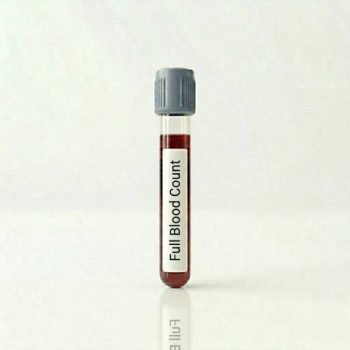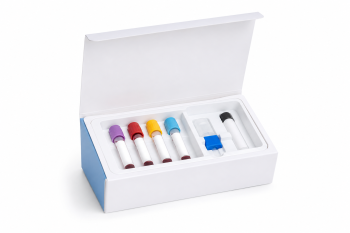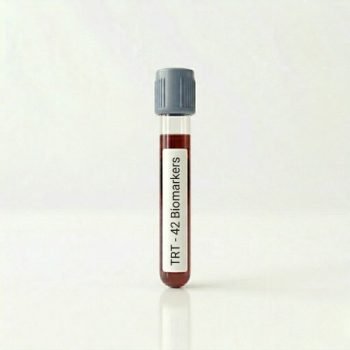

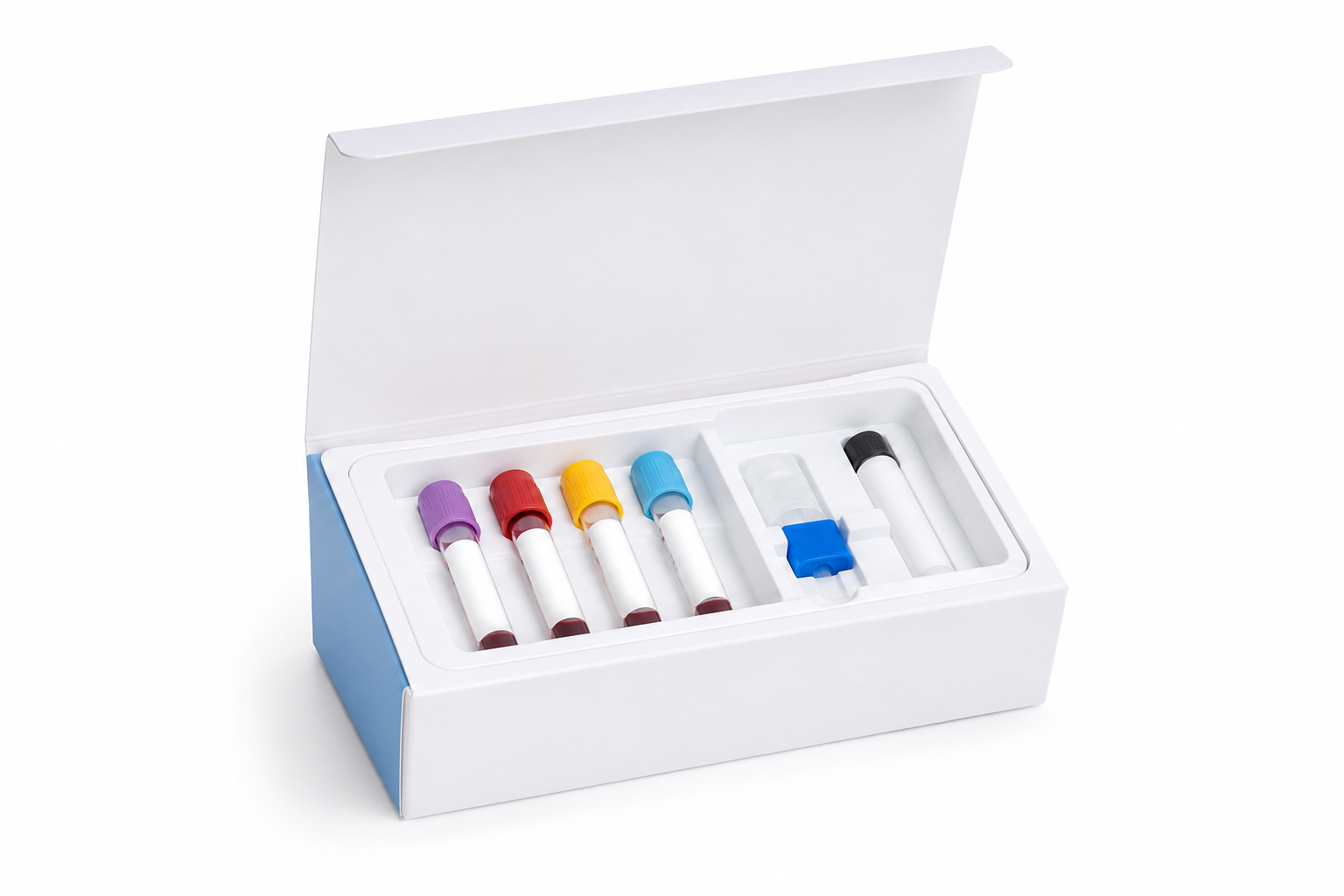
The Male Weight Management Test is a detailed blood screening panel designed to identify the hormonal and metabolic factors most commonly associated with weight difficulty in men. Many men experience unexplained weight gain, increased abdominal fat, reduced energy, and difficulty losing weight despite lifestyle changes. These symptoms are frequently linked to hormonal imbalances or metabolic dysfunction that can only be reliably identified through targeted blood testing. This panel provides your clinician with the clinical data needed to support an informed and individualised weight management plan.
What the Test Screens For
The panel screens for thyroid function (TSH and free T4) to identify whether an underactive thyroid may be slowing metabolism and contributing to weight gain. Testosterone levels are a particularly important component of this test for male patients, as low testosterone is closely associated with increased visceral body fat, reduced muscle mass, and difficulty losing weight through exercise alone. Fasting glucose and insulin are measured to detect insulin resistance, which significantly impairs fat regulation and is common in overweight men. HbA1c provides a longer-term measure of blood sugar control, and a full lipid profile evaluates cholesterol and triglyceride levels as part of metabolic and cardiovascular risk assessment. Cortisol assessment evaluates the contribution of chronic stress to fat distribution and weight.
Why This Test Matters
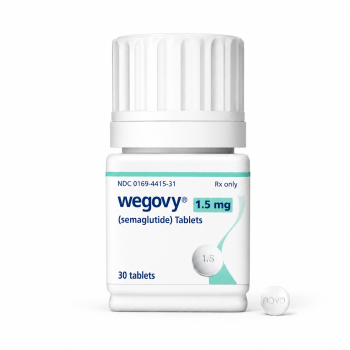
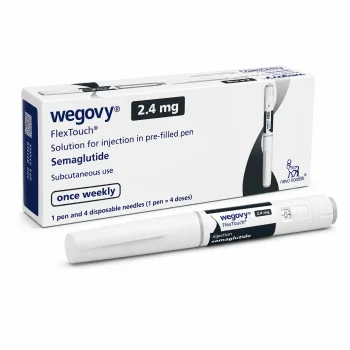
Understanding the specific hormonal and metabolic drivers of weight difficulty means that treatment decisions can be based on your individual biology rather than general assumptions. The Male Weight Management Test gives your clinician the data needed to determine whether targeted interventions such as weight loss medication, testosterone optimisation, or other approaches are appropriate and likely to be effective for you. This produces more efficient and personalised treatment than a generic approach.
At PrimeLife, blood test results are always reviewed by a qualified clinician as part of your consultation. Results are interpreted in the context of your symptoms and health history, ensuring recommendations are clinically appropriate for your individual situation rather than simply provided as raw data with a reference range.
Important Note
This test is a clinical screening tool and must be interpreted alongside a full consultation with a qualified healthcare professional. A single result does not constitute a diagnosis. Do not adjust existing medication or start new treatment based on results alone without clinical guidance. Testosterone therapies, corticosteroids, and statins may affect results — inform your clinician of all current medications before testing. This test is not a substitute for ongoing medical monitoring if you have a pre-existing condition. All testing must be conducted under the supervision of a qualified prescriber as part of your PrimeLife treatment programme.