

Wegovy vs Mounjaro for Weight Loss: What is the Difference?
Wegovy vs Mounjaro is one of the most common questions people ask when exploring medical weight loss. Both are prescription medications. Both have produced significant weight reductions in clinical trials. And both feature in the PrimeLife medical weight loss programme. But they work differently and suit different patients. The right choice depends on your clinical profile, not a general preference. This article outlines the key differences so you can go into your consultation better informed.
What is Wegovy?
Wegovy contains semaglutide, a GLP-1 receptor agonist. It mimics a gut hormone called glucagon-like peptide-1, which your body naturally releases when you eat. This hormone signals fullness to the brain, slows gastric emptying, and reduces appetite. Semaglutide amplifies and extends this process to support sustained weight loss.
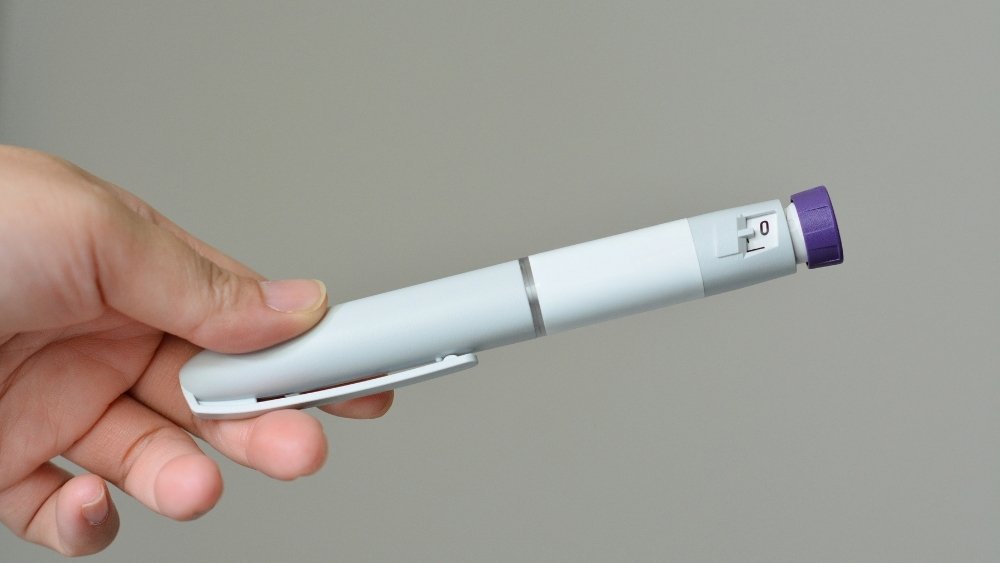
You inject Wegovy once weekly under the skin. The dose starts low and increases gradually over several months. This titration process lets the body adjust and helps reduce gastrointestinal side effects early in treatment. The STEP clinical trial programme showed average weight reductions of around 15% of body weight over 68 weeks in adults without type 2 diabetes.
What is Mounjaro?
Mounjaro contains tirzepatide. Unlike semaglutide, it acts on two receptor types at once: GLP-1 receptors and GIP (glucose-dependent insulinotropic polypeptide) receptors. This dual mechanism sets it apart from semaglutide-based treatments. It is the reason trials show greater average weight reductions for tirzepatide in head-to-head comparisons.
GIP is another gut hormone. It plays a role in appetite regulation and fat metabolism. By activating both receptor types together, tirzepatide produces a stronger reduction in appetite and food intake than GLP-1 agonism alone achieves for many patients. In the SURMOUNT trial programme, participants on the highest dose lost over 20% of body weight on average. Like Wegovy, you inject Mounjaro once weekly and follow a gradual dose titration schedule.
How Do the Results Compare?
Both medications produce clinically meaningful weight loss within a supervised programme. Trial data consistently shows tirzepatide producing greater average reductions than semaglutide. A 2023 network meta-analysis confirmed this finding across multiple trials.
However, tirzepatide is not simply the better option for everyone. Individual responses vary considerably. Some patients respond very well to semaglutide and achieve substantial weight loss with fewer side effects. Others find tirzepatide more effective for their metabolic profile. Population-level data provides a useful guide. It does not predict how any individual patient will respond.
Other factors also influence the choice. These include medical history, current medications, injection device preference, cost, and availability. A clinician will weigh all of these during your assessment.
Are the Side Effects Different?
Both medications produce similar side effects because both act on the gastrointestinal system. The most common effects include nausea, vomiting, diarrhoea, constipation, and abdominal discomfort. These effects tend to peak during the dose escalation phase. They reduce in frequency and severity as the body adjusts over the first few weeks and months.
The gradual titration protocol minimises these effects early in treatment. Most patients find they can manage side effects by following the titration schedule and adjusting eating patterns slightly. Both medications are contraindicated in people with a personal or family history of medullary thyroid carcinoma or multiple endocrine neoplasia syndrome type 2. Neither is appropriate during pregnancy or breastfeeding. A full clinical assessment rules out contraindications before prescribing either treatment.
Which One Might Be Right for You?
The right choice depends on your individual clinical picture. This is why PrimeLife completes a full assessment before prescribing either option. In general terms, patients who have tried semaglutide without adequate response may be better suited to tirzepatide. Patients who prefer a longer clinical track record may favour Wegovy. For patients new to both treatments, the clinician decides based on the full assessment.
Neither medication works well as a standalone solution. Both produce their best results as part of a structured programme that includes dietary support, activity guidance, and regular clinical monitoring. The PrimeLife team takes this integrated approach with every patient.
Start With a Clinical Conversation
If you are considering Wegovy or Mounjaro, start with a clinical consultation rather than a self-directed decision. PrimeLife offers a clinician-led medical weight loss programme for adults. Every patient has a thorough assessment before any treatment recommendation. No medication is prescribed without this clinical review.
Medical Weight Loss Programme Book a Consultation
Medical Disclaimer
This article is for informational purposes only and does not constitute medical advice. Always seek the advice of your GP, pharmacist, or qualified healthcare professional before starting, stopping, or changing any treatment. A qualified prescriber must assess individual clinical suitability. PrimeLife only prescribes treatments following a full clinical assessment.
Content created by Pharmacy Mentor.