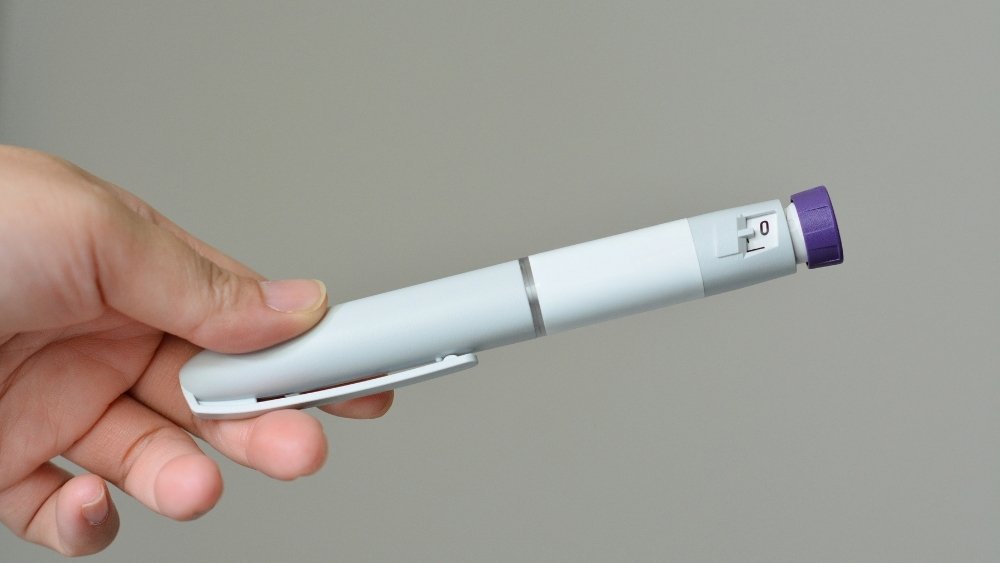


Why Diet and Exercise Alone May Not Be Enough for Weight Loss
Have you ever followed a calorie-controlled diet, exercised regularly, and still struggled to lose weight? You are not failing. Modern science shows that for many people, the barrier to weight loss is biology, not willpower. This article explores the clinical reasons behind weight loss resistance and explains how a medically supervised approach can make a real difference.
Weight Loss is More Complicated Than Calories In, Calories Out
Eating less and moving more can help. But this is a significant oversimplification of how the body actually works. For many people who struggle with their weight, physiological mechanisms actively resist weight loss. These mechanisms make maintaining a calorie deficit much harder than it looks on paper.
When you cut calories, your body lowers its resting metabolic rate to conserve energy. This is an evolutionary survival response. It served a purpose when food was scarce. In a modern environment of food abundance, it works against you. The longer you restrict calories, the more efficiently your body adapts, and the harder sustained weight loss becomes.
This is not a character flaw. Researchers have consistently documented this physiological response in clinical studies. Understanding it is the first step toward working with your body rather than against it.
Hormones Play a Bigger Role Than Most People Realise
A complex network of hormones governs appetite, fat storage, and energy expenditure. When this system breaks down, even a disciplined diet can produce disappointing results. Several hormonal factors directly affect weight management.
Fat cells produce leptin to signal to the brain that energy stores are sufficient. In people carrying excess weight, leptin resistance can develop. The brain stops responding to these fullness signals. The drive to eat stays elevated even when energy stores are adequate. Insulin resistance compounds this by impairing the body’s ability to use glucose efficiently, which promotes fat storage.
Thyroid hormones control overall metabolic rate. Even subclinical hypothyroidism can slow metabolism significantly. Cortisol, the stress hormone, drives abdominal fat storage. It undermines weight loss efforts in people experiencing chronic stress or poor sleep. None of these factors respond to diet and exercise alone. They need clinical identification and, often, targeted medical treatment.
The Gut-Brain Axis and Appetite Regulation
Research into the gut-brain axis has transformed our understanding of weight management. This communication pathway between the digestive system and the brain controls hunger, fullness, and food preference. In people carrying excess weight, it often functions differently. Hunger signals grow stronger. Satiety signals grow weaker. The drive toward calorie-dense foods increases.
Brain imaging studies consistently show differences in how people with obesity respond to food cues compared to those without. These are real neurological differences, not personal choices. Modern medical weight loss treatments, including GLP-1 receptor agonists such as semaglutide and tirzepatide, act on receptors in the brain and gut to rebalance these signals. Dietary restriction alone cannot achieve this.
What a Clinical Assessment Can Reveal
A thorough clinical review can uncover underlying factors that contribute to weight difficulty. Many of these factors go undiagnosed for years. They include thyroid dysfunction, insulin resistance, polycystic ovary syndrome, hormonal imbalances linked to the menopause transition, and metabolic conditions that affect how the body stores energy.
Identifying these factors improves the effectiveness of any treatment that follows. It can also explain why previous weight loss attempts have not worked. Many patients find this both clinically useful and personally validating after years of blaming themselves.
At PrimeLife, clinical assessment starts with a targeted blood panel. This screens for the key metabolic and hormonal markers most relevant to weight management. It gives the clinician a clear physiological picture before any treatment decision. This ensures that interventions match the individual patient rather than applying a generic approach.
When Medical Treatment Becomes the Right Option
Medical weight loss treatment, including GLP-1 prescription medication, works alongside dietary and lifestyle change. It does not replace it. It is particularly relevant for patients whose physiological barriers to weight loss are significant enough that lifestyle intervention alone will not produce meaningful or lasting results.
The goal of a well-designed medical weight loss programme goes beyond short-term weight reduction. It addresses the underlying clinical factors driving weight difficulty. It supports sustainable behaviour change. It also reduces the long-term health risks that excess weight creates, including cardiovascular disease, type 2 diabetes, and joint problems.
A Programme Built Around You
At PrimeLife, medical weight loss is a clinical programme, not a product. Every patient has a mandatory video consultation with a qualified prescriber before treatment begins. The prescriber reviews the patient’s full health picture before making any recommendation. Where medication is appropriate, the clinician prescribes and monitors it as part of an ongoing relationship. Regular reviews are built into the process.
If your situation changes, if side effects arise, or if your clinical needs evolve, your clinical team responds. You are not simply handed medication and left to manage alone. If you have been working hard to manage your weight without the results you expect, the answer may lie in your clinical profile rather than your effort.
Medical Weight Loss Programme Book a Consultation
Medical Disclaimer
This article is for informational purposes only and does not constitute medical advice. Always seek the advice of your GP, pharmacist, or qualified healthcare professional before starting, stopping, or changing any treatment. A qualified prescriber must assess individual clinical suitability. PrimeLife only prescribes treatments following a full clinical assessment.
Content created by Pharmacy Mentor.